


Why Schools Around the World Are Adopting STEAM Education

Education is evolving. As technology advances, industries transform, and global challenges become increasingly complex, schools are rethinking how they prepare students for the future.
Many parents are asking important questions:
Why are more schools introducing STEAM programs?
What makes STEAM different from traditional educational approaches?
How does STEAM prepare children for life beyond the classroom?
The growing adoption of STEAM education reflects a broader understanding that academic knowledge alone is no longer enough. Today's students need opportunities to develop creativity, critical thinking, adaptability, and collaboration alongside subject-specific knowledge.
By integrating Science, Technology, Engineering, Arts, and Mathematics, STEAM education encourages children to become active learners, innovative thinkers, and confident problem-solvers.
At STEAMology, we believe that meaningful, hands-on STEAM experiences can help children build the skills and mindsets they need to thrive in a rapidly changing world.
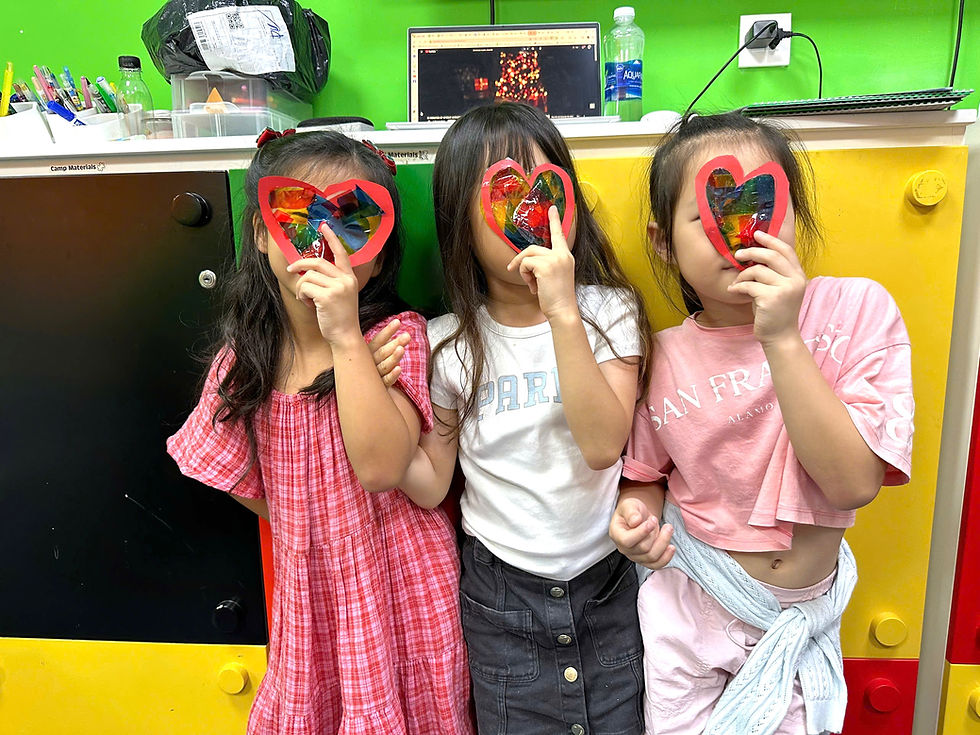
What Is STEAM Education?
STEAM education is an interdisciplinary approach to learning that integrates Science, Technology, Engineering, Arts, and Mathematics to solve problems and explore ideas through real-world experiences.
Traditional educational models often teach subjects separately. STEAM education, however, emphasizes the connections between disciplines.
For example, students designing an eco-friendly city model may apply scientific concepts related to sustainability, use mathematical calculations for planning, incorporate engineering principles in construction, leverage technology for research, and draw upon artistic creativity to communicate ideas effectively.
This integrated approach helps students understand that learning is not confined to isolated subjects. Instead, knowledge becomes a tool for innovation, inquiry, and meaningful action.
Why Are Schools Around the World Adopting STEAM Education?
Schools worldwide are adopting STEAM education because it helps students develop future-ready skills that align with the demands of an evolving society and workforce. Several factors have contributed to the global rise of STEAM learning.
Changing Workforce Demands
Many industries increasingly value employees who can think critically, collaborate effectively, and adapt to emerging technologies.
Need for Future Skills
Employers consistently identify creativity, problem-solving, and communication as essential competencies for the modern workplace.
Growing Emphasis on Innovation
Countries seeking to strengthen economic growth recognize the importance of cultivating innovative thinkers capable of generating new ideas and solutions.
Global Competitiveness
Education systems are adapting to ensure students can participate meaningfully in an interconnected and rapidly changing world.
Importance of Interdisciplinary Learning
Real-world challenges rarely fit neatly into a single academic discipline. STEAM encourages students to integrate knowledge from multiple fields when addressing complex problems.
Together, these factors help explain why STEAM education has gained momentum internationally.
How Does STEAM Education Support 21st-Century Skills?
STEAM education promotes the development of critical skills that help students navigate academic, professional, and personal challenges throughout their lives.
Problem-Solving and Critical Thinking
STEAM projects often involve open-ended challenges that require students to analyze information, test ideas, evaluate outcomes, and revise their approaches.
These experiences strengthen problem-solving skills for kids and encourage critical thinking for children by moving beyond memorization toward deeper understanding.
Creativity and Innovation
Creativity plays an important role in identifying opportunities, generating ideas, and designing solutions.
STEAM activities encourage students to experiment, take intellectual risks, and view challenges from multiple perspectives.
Collaboration and Communication
Many STEAM projects involve teamwork. Students learn to share responsibilities, express their ideas clearly, and respect diverse viewpoints.
Strong communication skills support effective collaboration both inside and outside the classroom.
Adaptability and Lifelong Learning
In a changing world, the ability to learn continuously is essential.
STEAM learning environments often encourage persistence, reflection, and resilience by helping students understand that mistakes are valuable opportunities for growth.
Why Is Hands-On Learning Important in STEAM Education?
Hands-on learning allows students to actively engage with concepts, improving understanding, retention, and motivation.
Children often learn most effectively when they participate directly in the learning process. Rather than passively receiving information, students build prototypes, conduct experiments, test hypotheses, and explore solutions through experience.
This form of experiential learning increases engagement because students can immediately observe the impact of their decisions and actions. Hands-on learning also supports deeper comprehension by helping children connect abstract ideas to practical applications. As a result, many educators view active participation as a cornerstone of meaningful STEAM education.

How Do Robotics and Technology Support STEAM Learning?
Robotics and technology provide practical contexts where students can apply STEAM concepts through exploration, experimentation, and innovation.
Robotics in education offers opportunities for students to integrate scientific understanding, engineering principles, mathematical reasoning, and technological skills.
When children build and program robots, they often engage in:
Designing solutions to challenges
Testing and refining prototypes
Developing computational thinking
Learning foundational coding for kids concepts
Collaborating with peers
Technology becomes more than a tool for consuming information—it becomes a platform for creating, inventing, and solving problems. These experiences help students understand how knowledge can be used in authentic and meaningful ways.
What Are the Benefits of STEAM Education for Children?
STEAM education supports children's academic, social, and emotional development by fostering curiosity, confidence, and transferable skills.
Improved Confidence
Successfully completing projects helps students develop a sense of competence and self-belief.
Increased Curiosity
STEAM encourages children to ask questions, investigate possibilities, and pursue their interests.
Stronger Critical Thinking
Students learn to evaluate evidence, analyze information, and justify their decisions thoughtfully.
Enhanced Creativity
Creative expression becomes integrated into the problem-solving process.
Better Understanding of Real-World Connections
Children recognize that classroom learning has relevance beyond examinations and textbooks.
Preparation for Future Careers
Although career paths may evolve, the skills developed through STEAM remain valuable across diverse professions.
These benefits illustrate why many families and schools consider STEAM education an important investment in children's futures.
How Does STEAM Education Connect Learning to Real Life?
STEAM education connects learning to real life by encouraging students to apply knowledge in meaningful and authentic contexts.
Traditional assessments often focus on identifying correct answers.
In contrast, STEAM projects frequently involve addressing real-world challenges that may have multiple possible solutions. Students might design water filtration systems, create assistive devices, develop sustainable communities, or build prototypes to solve local problems.
This project-based learning approach helps children appreciate the purpose behind what they are learning. Knowledge becomes a practical resource rather than isolated information intended solely for examinations. Real-world learning encourages relevance, motivation, and deeper engagement.
How Does STEAMology Support STEAM Learning?
STEAMology supports STEAM learning through hands-on experiences that nurture curiosity, creativity, and future-ready capabilities.
At STEAMology, students participate in activities that combine robotics, coding, engineering, and creative problem-solving. Through project-based learning, children are encouraged to explore ideas, ask questions, and test their own solutions. These experiences help foster independence, confidence, and resilience while promoting a growth mindset.
STEAMology's educational approach emphasizes that learning should be active, meaningful, and connected to the real world. By supporting both technical understanding and essential human skills, STEAMology aims to prepare students for lifelong learning and future opportunities.
Conclusion
The increasing adoption of STEAM education around the world reflects a growing recognition that children need more than academic knowledge to thrive in the 21st century.
Today's students benefit from opportunities to develop creativity, collaboration, adaptability, and critical thinking alongside traditional subject knowledge.
STEAM education encourages children to become curious learners, thoughtful problem-solvers, and innovative contributors capable of navigating an increasingly complex world.
Rather than viewing STEAM solely as preparation for future careers, parents and educators can see it as an investment in lifelong learning and personal growth. At STEAMology, we believe that empowering children with meaningful STEAM experiences today can help them build the confidence and capabilities needed to shape tomorrow.
Frequently Asked Questions
What is STEAM education?
STEAM education integrates Science, Technology, Engineering, Arts, and Mathematics through interdisciplinary, hands-on learning experiences.
Why is STEAM education important?
STEAM education helps students develop future-ready skills such as creativity, critical thinking, collaboration, and problem-solving.
How is STEAM different from STEM?
STEAM includes the Arts alongside Science, Technology, Engineering, and Mathematics, emphasizing creativity and design thinking within problem-solving processes.
Why are schools adopting STEAM education?
Schools increasingly recognize that students need adaptable skills and interdisciplinary experiences to succeed in a changing world.
What skills does STEAM education develop?
STEAM supports critical thinking, creativity, communication, collaboration, resilience, and technological literacy.
Is STEAM education suitable for young children?
Yes. Age-appropriate STEAM activities can encourage exploration, curiosity, and confidence from an early age.
How do robotics support STEAM learning?
Robotics provides practical opportunities to apply coding, engineering, mathematics, and problem-solving skills through hands-on experiences.
Does STEAM education improve problem-solving skills?
STEAM learning often involves authentic challenges that encourage students to analyze situations, test solutions, and refine their approaches.
How can parents support STEAM learning at home?
Parents can encourage curiosity, provide opportunities for experimentation, engage in creative projects, and support children's interests in exploration and discovery.
What are the long-term benefits of STEAM education?
STEAM education promotes lifelong learning, adaptability, confidence, and skills that remain valuable across evolving career pathways.


Comments